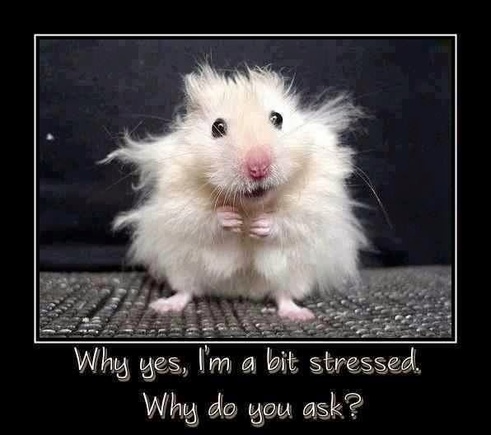
Life is full of demands. In today's modern world, managing stress is a necessary skill set not a choice. Realistically speaking, there is no escaping the rapid pace of daily life. Over the last decade or so, modern life has often been referred to as "Moving at the speed of business". Today, when factored in with the reality of our unstable economy paired with the impact of AI, this translates into stress at the 'Nth' degree. So what does an average day is this ever changing, constantly evolving, life on the go look like? Is it really overwhelming, or have people forgotten how to "soldier on?" On the contrary, in today's modern age, many people are both working and going to school while others work and try to raise a family, and still others work, go to school, and raise families. Throw in economic stress, working from home, homeschooling, deadlines, high unemployment rates, family obligations, and we can clearly see how the stress just keeps mounting. So what happens when our stress level is never relieved? For most people, this results in self neglect, anger, anxiety, and resentment. Clearly, we have to give up something to meet the demands of our daily life and it typically begins with self neglect and evolves into frustration and resentment. Because the time has to come from somewhere, for many people this means skipping meals or eating junk food, some days there isn't even time to shower let alone style your hair or keep up the laundry, and certainly no time for exercise. As the pressure continues to build, fueled by months and years of self sacrifice, the hamster wheel of modern life grows into a volcano waiting to erupt fed by a steady diet of stress, anxiety, repressed anger, and resentment which then manifests as fighting with family, partners, yelling at the kids, and possible health concerns. In more extreme cases, this type of unrelenting stress can result in marital discord, depression, anxiety, and family conflict. According to the Mayo Clinic, physical symptoms correlated with stress levels of this caliber often include high blood pressure, anxiety, ulcers, weight gain/loss, frequent illness, alcoholism, and visible signs of poor self care. In short, the correlation between stress, anger, and the pandemic is clear and something must and will give if left undeterred. The question is just what will go first? Will it be physical health, mental health, or family stability? In order to offset the impact of stress associated with modern life, an intervention strategy designed to maximize time while offering maximum results is needed.
Of the various stress reducing supports available, the following techniques appear to offer the most benefit in the least amount to time:
1) Creating balance - Making you the priority:
a) Work with partner/family to create equal distribution of duties
b) Restructure schedules to afford 1 hour a day of uninterrupted personal time
c) Work with family/friends within your pod to create parenting co-ops to afford one or two date nights a month
2) Stress Reduction applications for smart phones:
a) Mind-Cloud.App (free)
b) HeadSpace.com (14 day free trial) or The Calm app
c) Cleveland Clinic Stress Meditations ($0.99)
d) Stress Check ($1.99)
e) Pocket Yoga ($2.99)
3) Additional smart phone resources for stress or crisis management:
a) https://psychcentral.com/blog/top-10-free-mental-health-apps
b) https://plumvillage.app/?gclid=Cj0KCQiAoY-PBhCNARIsABcz770qbi0KGcAmWXgFlF3cpjpv2Z8bpgNhnix8Ts0Sv0zG38ZXZnLNkGUaAp9FEALw_wcB
c) https://www.mind.org.uk/information-support/types-of-mental-health-problems/anxiety-and-panic-attacks/self-care/
Although at present there is no cure for the stress of modern life, there are ways to manage and/or reduce its day to day impact. Balance is the key, and with careful planning quality of life is truly achievable. The key, is to recognize the signs and symptoms of stress overload before they hit critical mass. If you, or a loved one, have begun to consistently demonstrate three (3) or more of the following clinical signs/symptoms of stress, professional intervention is strongly suggested:
1) Frequent headaches, jaw clenching or pain, teeth gritting/grinding
2) Neck ache, back pain, muscle spasms
3) Light headedness, faintness, dizziness, ringing in the ears or popping
4 Irritable, easily annoyed, angry
5) Frequent colds, infections, herpes sores, rashes, itching, hives, “goose bumps”, unexplained or frequent “allergy” attacks
6) Heartburn, stomach pain, nausea
7) Weight gain or loss of more than 5 pounds
8) Diminished or lack of sexual desire
For further information, or to consult regarding symptoms or concerns, please contact your local healthcare or mental health professional, or visit California's free peer to peer helpline at www.calhope.org, or the American Stress Institute online at www.stress.org
At North Valley Anger Management Consultants (www.nvamc.com), we excel in helping people overcome and control the effects of stress, anger, anxiety, and frustration in their lives. For more information, call us today for a free 15 minute telephone consultation at 1-888-992-6479, or email us at brad@nvamc.com